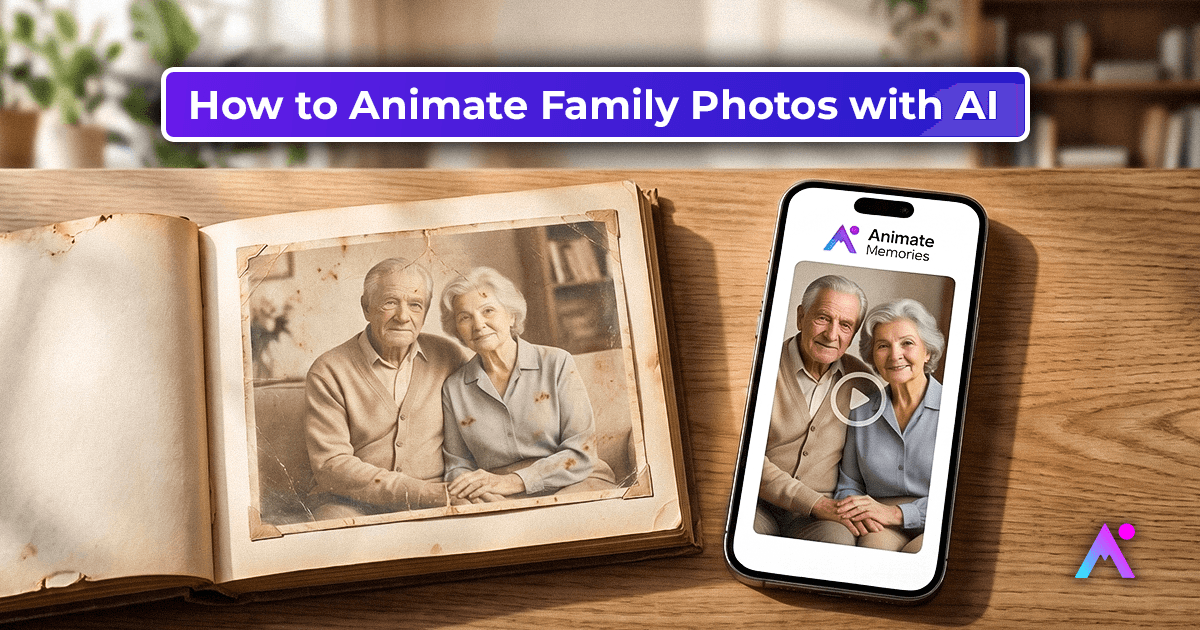
Honoring Loved Ones on Día de los Muertos with Restored Family Photos

Family photographs hold stories that deserve to be remembered. An old portrait of a grandparent, a faded wedding photograph, or a picture of a loved one who is no longer here can bring back meaningful moments and family traditions. When these photographs become damaged or difficult to see, restoring them can help families reconnect with the memories they preserve.
Día de los Muertos, or Day of the Dead, is a Mexican tradition that honors and remembers loved ones who have died.
Observed primarily on November 1 and 2, the celebration brings families together through remembrance, storytelling, food, and meaningful personal offerings. Photographs often have an important place in these traditions because they help families remember the people being honored.
Honoring loved ones on Día de los Muertos with restored family photos is one way to care for these meaningful images and preserve them for future generations. With careful photo restoration, families can improve the appearance of faded photographs while keeping the original images and the stories behind them.
In this guide, you will learn how restored family photos can support personal remembrance, how to prepare old photographs, and how AI photo restoration can help you create digital copies for your family archive.
What Is Día de los Muertos?
Día de los Muertos is a cultural celebration with deep Indigenous roots and traditions shaped over generations. It is widely associated with Mexico and is also observed in Mexican and Mexican American communities elsewhere.
Rather than treating death only as a subject of sadness, the celebration emphasizes remembering and honoring the lives of those who have passed away. Traditions vary among regions, communities, and families, so there is no single way everyone observes the occasion.
One of the best-known traditions is the ofrenda, a dedicated space or altar created to honor loved ones. Families may include photographs, flowers, candles, favorite foods, drinks, and personal objects that reflect the lives of those being remembered. Photographs help identify the people being honored and connect the ofrenda with their personal stories.
For families preparing an ofrenda, an old photograph can be more than a decorative image. It can represent a grandparent's kindness, a parent's favorite tradition, or a relative whose stories continue to be shared across generations.
Why Family Photos Matter on Día de los Muertos
Photographs preserve details that may otherwise become difficult to remember. They show faces, clothing, family homes, celebrations, and everyday moments that help younger generations understand their family history.
Photographs Help Keep Family Stories Alive
A single photograph can lead to conversations about a loved one's life. Who is in the picture? Where was it taken? What was the person known for? What memories do relatives associate with that moment?
These questions can help families pass personal stories from one generation to the next. Writing names, dates, locations, and short captions alongside photographs makes those memories easier to understand in the future.
Old Portraits Make Remembrance Personal
A photograph of a loved one can help make an ofrenda more personal. Families may choose a portrait, a wedding photograph, or an image from a meaningful family occasion.
The most appropriate photograph is often the one that reflects the person being remembered. It does not need to be professionally taken or perfectly preserved to hold meaning.
Restoring Photos Can Help Preserve Family History
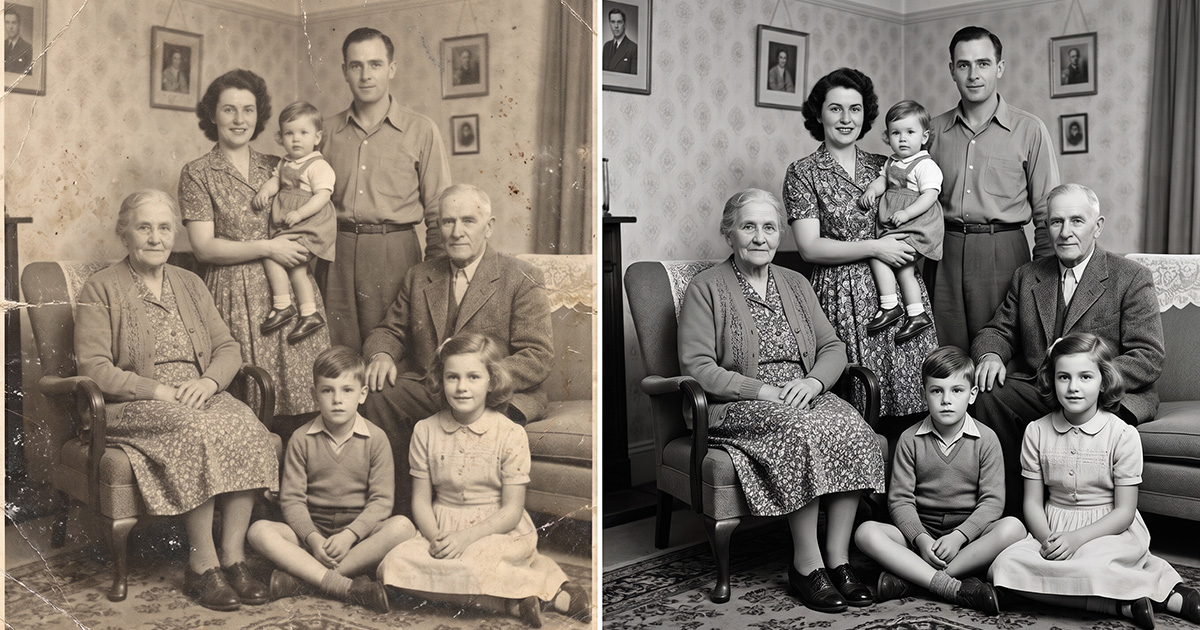
Old photographs may fade, develop scratches, or lose contrast over time. Restoring a digital copy can make visible details easier to see and prepare the image for printing, sharing, or storing in a family archive.
Restoration cannot recover every missing detail accurately, but it can help improve the appearance of many photographs without replacing the original image.
How to Restore Old Family Photos for Día de los Muertos
If you have a family photograph you would like to include in your remembrance traditions, start by protecting the original and preparing a clear digital copy.
Step 1: Choose a Meaningful Photograph
Begin with a photograph of the person or people you want to remember. It might be a portrait of a grandparent, an old family wedding picture, or a photograph taken during a special celebration.
Look through family albums and ask relatives whether they have additional photographs or information about the people shown. Sometimes, a picture that seems unfamiliar becomes meaningful when someone explains the story behind it.
Choose an image that feels appropriate for your family and the way you observe Día de los Muertos.
Step 2: Digitize the Original Photograph
If your photograph is printed on paper, create a digital copy before making edits.
A scanner can help capture the image clearly. If you photograph the print with a camera, use even lighting and avoid glare, reflections, and strong shadows.
Save the digital file at a good resolution and keep an untouched copy. If the photograph is fragile, handle it carefully and avoid attempting repairs directly on the original print.
Step 3: Identify What Needs Restoration
Examine the digital copy and note the visible problems. The photograph might have faded colors, low contrast, scratches, dust marks, or blurry details.
Knowing what needs improvement helps you choose an appropriate restoration approach. A faded portrait may need different adjustments from a photograph with torn edges or missing sections.
Remember that AI tools can sometimes misinterpret faces, clothing, and background details. Restoration should improve the image while preserving the person's recognizable appearance.
Step 4: Enhance the Photograph with AI
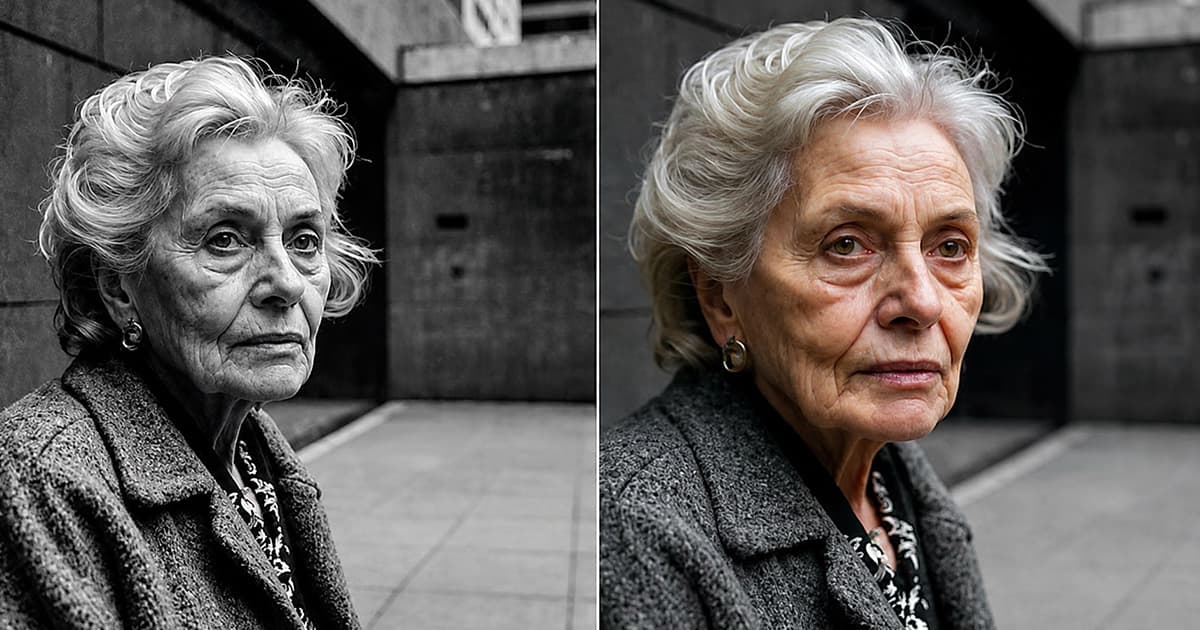
AI photo restoration tools can help improve the appearance of old photographs. Depending on the tool, features may include sharpening, noise reduction, contrast improvement, color correction, or attempts to repair certain kinds of damage.
In Animate Memories, open the Studio, choose Restore and upload your scan. The tool can sharpen faces, reduce noise and scratches and lift faded contrast, and the credit cost shows before you start. For a deeper look, see our guide to restoring old photos online with AI.
Compare the restored version with the original photograph. Check that facial features, clothing, and other important details have not changed significantly. If the result looks overly smooth or introduces inaccurate details, try a lighter enhancement.
The aim is not to create a completely different photograph. It is to make the existing image easier to view while respecting its original character.
Step 5: Prepare the Restored Photo for Display
Once you are satisfied with the restored image, save a high-quality copy for your intended use.
If you plan to print it, check the dimensions and resolution before ordering the print. For a digital family archive, save the file with a descriptive name and include any known details about the person and the photograph.
You may also keep the original and restored versions together so that future family members can understand how the image was preserved.
How to Include Restored Family Photos in Día de los Muertos Remembrance
Restoring a photograph is only one part of preserving a memory. Families can use these images in ways that reflect their own traditions and relationships.
Create a Meaningful Ofrenda
If it is part of your family tradition, a restored photograph can be placed on an ofrenda alongside personal objects and other meaningful offerings.
Choose a photograph that represents the person being honored. You might include a favorite family portrait or a picture associated with a story relatives enjoy sharing.
Follow your family's customs and the practices of your community when arranging the ofrenda. Traditions differ, and the meaning of the display comes from the people and memories it honors.
Add Names and Personal Stories
A photograph becomes more informative when it is accompanied by context. Consider writing the person's name, the approximate date of the picture, and a brief memory or detail about their life.
For example, you might note the occasion when the photograph was taken, a family tradition the person enjoyed, or a story passed down by relatives.
These notes can help children and younger family members connect names and faces with real experiences.
Build a Digital Family Memory Collection
You can also create a digital album of restored photographs. Organize images by family branch, generation, or important occasion, and add captions wherever information is available.
A digital collection can be shared with relatives who live far away and updated when family members discover new photographs or stories.
For more ideas on preserving meaningful images, explore how to turn old photos into videos with AI.
Should You Animate Restored Family Photos?
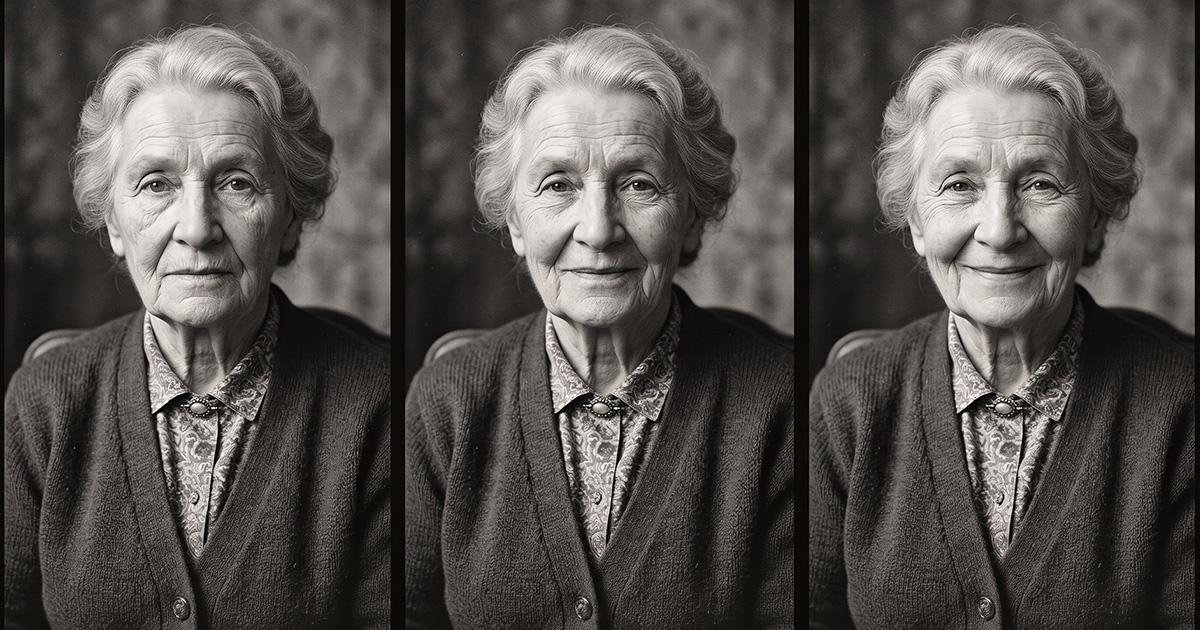
Photo restoration and photo animation serve different purposes. Restoration focuses on improving the appearance of a still image, while AI animation generates movement from the photograph.
Some families choose to animate a restored image as a separate creative project. In Animate Memories, a portrait can become a short clip with a gentle blink or smile.
However, animation is optional and is not necessary to honor someone on Día de los Muertos. A restored original photograph can be just as meaningful, especially when the focus is on cultural traditions, family stories, and remembrance.
If you decide to animate a photograph, preserve the original and restored files separately. Remember that AI-generated movement is an interpretation created by software, not authentic footage of the person.
Tips for Preserving Old Family Photographs
Keep Original Prints Safe
Store photographs in a cool, dry place away from direct sunlight and excessive humidity. Use suitable archival-quality sleeves or storage materials when possible, and handle fragile prints with care.
Maintain Digital Backups
Keep copies of scanned and restored photographs in more than one secure location. This can help protect your family archive if a device is lost or damaged.
Record What You Know
Add names, dates, locations, and stories to your photo collection whenever the information is available. If a detail is uncertain, label it as an estimate rather than presenting it as a confirmed fact.
Respect Family Preferences
Not every relative will want a personal photograph edited or shared publicly. Ask permission when appropriate, especially before uploading images to online services or posting them on social media.
Preserve the Original Version
Always retain an unedited copy of important photographs. AI restoration can introduce errors, so having the original allows you to compare versions and return to the source image whenever needed.
Frequently Asked Questions
Why are photographs important on Día de los Muertos?
Photographs help families identify and remember the loved ones being honored. They are often included on ofrendas alongside personal objects, flowers, food, and other offerings that reflect the person's life and family traditions.
Can AI restore old family photos for Día de los Muertos?
Yes, in many cases. AI restoration, including the Restore option in Animate Memories, can improve fading, contrast, clarity and some scratches. Results depend on the original photo, so always compare the restored image with the original.
Should I restore a photograph before printing it for an ofrenda?
You can display an original photograph as it is. Restoration is optional, but it may help improve the visibility of details if the image is faded or damaged. Keep the original safe regardless of whether you choose to restore it.
Can I animate a restored photograph of a loved one?
Some AI photo animation tools can generate movement from restored photographs. The results vary, and the movement is generated by AI rather than recovered from real footage. Animation is a personal choice, not a requirement for remembrance.
How can I preserve family photos for future generations?
Keep original prints in suitable storage, create digital copies, maintain backups, and record the names and stories connected to each image. These steps can help family members understand and preserve their history over time.
Final Thoughts
Honoring loved ones on Día de los Muertos with restored family photos is one way to care for the images that connect families with their history. A faded portrait may contain details worth preserving, while the story behind the photograph can help younger generations understand the person being remembered.
Start with a meaningful photograph, digitize it carefully, and use restoration tools only where they improve the image without changing its character. Preserve the original, add personal stories when possible, and follow the customs that are meaningful to your family.
Día de los Muertos is rooted in remembrance, connection, and honoring lives. Restored photographs can support that purpose by helping family memories remain visible and available for generations to come.
Ready to restore a cherished family photo for your ofrenda? Restore your photo now.