Remembering Loved Ones on Thanksgiving with Old Family Photos
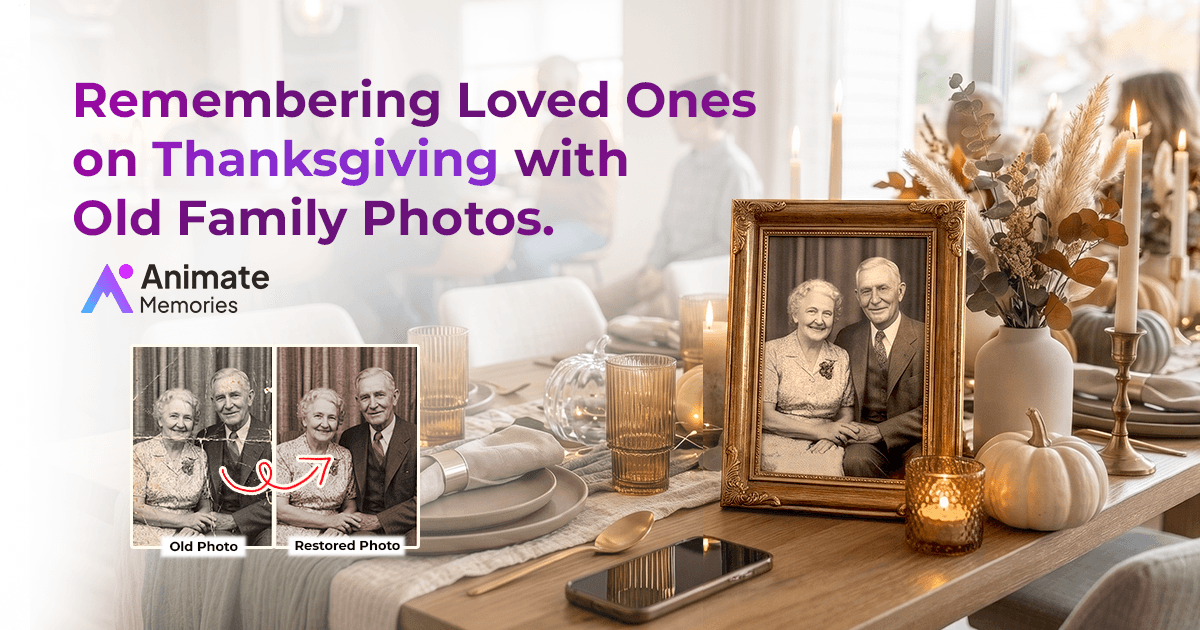
Thanksgiving is a time when families come together, share meals, revisit traditions, and remember the people who have shaped their lives. While the holiday is often filled with laughter and celebration, it can also bring back memories of loved ones who are no longer physically present. An old family photograph can make those memories feel close again, reminding everyone of shared experiences, familiar faces, and stories passed down through generations.
For many families, remembering loved ones on Thanksgiving is about more than looking at photographs. It is about preserving the stories behind them so that children, grandchildren, and future generations can understand their family history. Unfortunately, printed photographs can fade, tear, develop stains, or become damaged over time.
Old photo restoration offers a way to care for these meaningful images. By digitizing and restoring old family photographs, families can protect visual pieces of their history and make them easier to share during Thanksgiving gatherings and beyond.
Why Old Family Photos Matter During Thanksgiving
Thanksgiving traditions often connect different generations. Grandparents may share stories about their childhood, parents may remember earlier family gatherings, and younger family members may discover relatives they never had the chance to meet.
Old photographs help make these conversations more personal. A picture of a family gathered around a dinner table decades ago can lead to stories about where everyone lived, what traditions they followed, and how celebrations have changed over time.
Photographs can also help younger family members recognize relatives from previous generations. Instead of hearing only names, they can see the people who were part of their family's story.
During Thanksgiving, families can use old photographs to:
- Remember grandparents, parents, siblings, and other relatives who have passed away.
- Revisit previous Thanksgiving celebrations and family traditions.
- Share childhood memories and stories with younger generations.
- Preserve photographs of important family milestones.
- Create a collection of memories that relatives can access and enjoy.
A single photograph may represent an entire chapter of family history. Preserving it helps keep that chapter accessible.
Remembering Loved Ones Who Are No Longer With Us
Holidays can bring a mixture of emotions, especially when someone important is missing from the family gathering. A familiar photograph may remind everyone of that person's personality, traditions, and the moments they shared together.
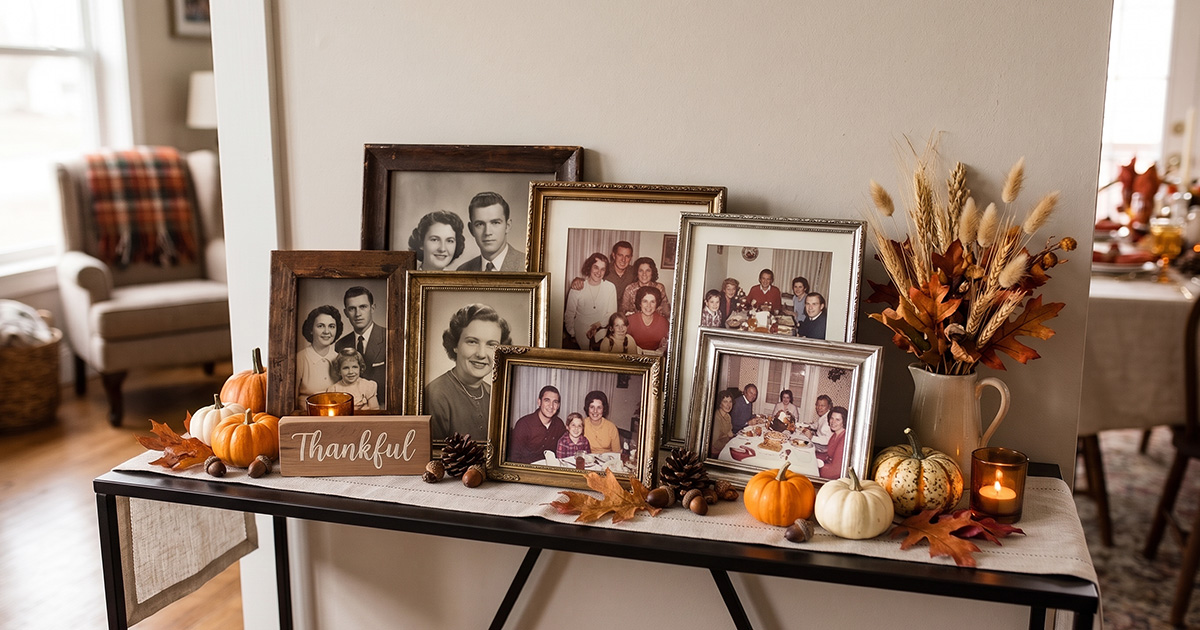
Some families choose to place framed photographs near the Thanksgiving table. Others create a small memory display, share a digital photo collection, or invite relatives to tell stories connected to particular pictures.
There is no single right way to remember someone. The most meaningful approach is one that feels comfortable for the family. For one family's story, read Finding Grandfather: An Animated WWII Snapshot Story.
Consider gathering photographs that reflect different parts of a loved one's life, such as:
- Childhood and school photographs.
- Wedding and anniversary portraits.
- Family celebrations and holiday gatherings.
- Photographs with children and grandchildren.
- Everyday moments that show their personality and interests.
Add names, approximate dates, locations, or short descriptions whenever possible. These details help future generations understand who is in each photograph and why the moment mattered.
Preserving the stories behind photographs is just as important as preserving the images themselves.
Why Old Family Photographs Need Restoration
Printed photographs are vulnerable to changes in their environment and everyday handling. Over the years, paper can become brittle, colors may fade, and physical damage can make important details difficult to recognize.
Some common problems include:
Fading and discoloration: Older photographs may lose contrast or develop yellow, brown, or uneven tones.
Scratches and creases: Repeated handling, folding, and improper storage can leave visible marks across an image.
Tears and missing sections: Photographs may become torn at the edges or lose small parts of the original image.
Water damage: Moisture can cause stains, warping, and changes in the photograph's surface.
Dust and surface marks: Dirt and fingerprints can affect the appearance of photographs stored without proper protection.
When a photograph is damaged, the people and moments it represents do not become less important. Restoration can help improve the image's appearance and make it easier to preserve and share.
If your family pictures have visible creases or moisture damage, our guide to restoring creased and water-damaged photos explains the restoration process in more detail.
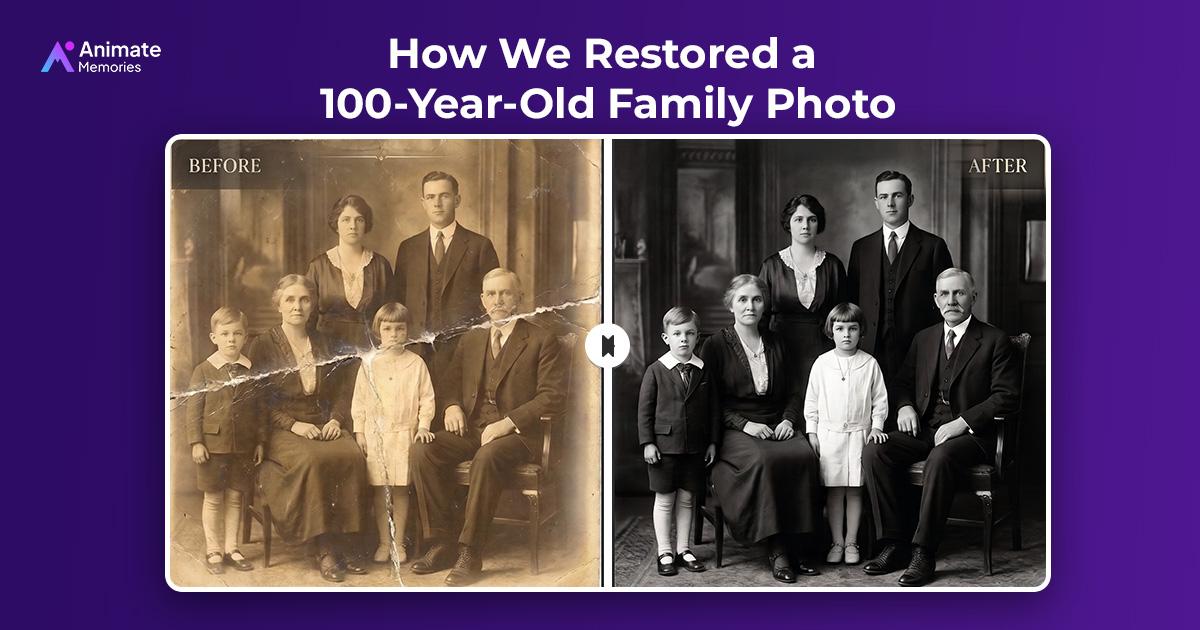
For a closer look at how an old family photograph can be improved, read our story about restoring a 100-year-old family photo.
How to Restore Old Family Photos Before Thanksgiving
If you are planning to share family photographs during Thanksgiving, start preparing them in advance. A careful process can help you protect the original prints while creating digital copies for restoration and sharing.
Step 1: Collect and Organize Your Family Photographs
Begin by gathering photographs from albums, storage boxes, frames, and family members. Look for images connected to Thanksgiving gatherings, weddings, birthdays, childhood memories, and other important family occasions.
Sort them into simple groups, such as:
- Grandparents and earlier generations.
- Childhood and school memories.
- Weddings and anniversaries.
- Family gatherings and holidays.
- Photographs of loved ones who have passed away.
Ask relatives if they recognize people, places, or dates in the pictures. Their knowledge can help you add context that might otherwise be lost.
Step 2: Digitize the Original Photographs
Before attempting digital restoration, create a digital copy of each photograph.
A flatbed scanner is a useful option for capturing printed photographs. Scan at 600 DPI or higher and save the image as a high-quality file. If you are using a camera or scanning app, place the photograph on a flat surface with even lighting and avoid shadows or glare.
Keep the original photograph safe. Do not write directly on it, bend it, or attempt to remove stuck surfaces yourself.
Step 3: Identify the Damage
Review each digital copy and note the areas that need attention. One photograph may have faded colors, while another may contain scratches, stains, or torn edges.
Understanding the damage helps you decide what kind of restoration may be appropriate.
For example, a faded portrait may benefit from improved contrast and color correction. A photograph with scratches may need careful digital repair. Images with substantial missing sections may be more difficult to restore accurately.
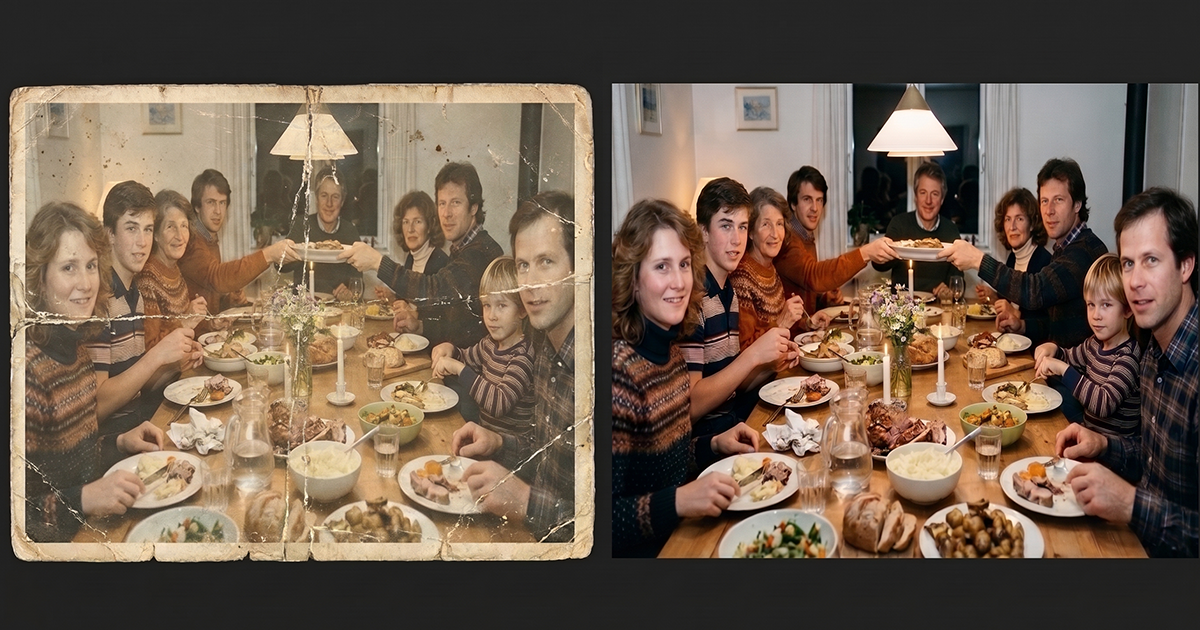
Step 4: Restore the Digital Image
In Animate Memories, open the Studio, choose Restore and upload your scan. The tool can reduce scratches, dust and fading and improve clarity, and the credit cost shows before you start.
The results will vary depending on the original photograph's quality and condition. AI tools may also interpret unclear details, so always compare the restored image with the original.
If facial details are especially important, review them carefully. The goal is to preserve the photograph's recognizable features rather than create an image that no longer resembles the original memory.
Step 5: Save and Back Up the Restored Photos
Once you are satisfied with a restored image, save a separate copy rather than replacing the original digital scan.
Use clear file names that include the person's name, occasion, or approximate year. For example, a file might be named Grandparents-Thanksgiving-1975.
Keep backup copies in more than one secure location, such as an external storage device and a trusted cloud storage service. This makes it easier for relatives to access the photographs and reduces the risk of losing the restored files.
Step 6: Share the Memories During Thanksgiving
After organizing and restoring your photographs, think about how your family would enjoy seeing them.
You could create a digital slideshow, print a few restored portraits, or arrange a small photo display during the gathering. Invite family members to share what they remember about the people and occasions in the pictures.
You do not need an elaborate presentation. Even a few carefully selected photographs can start meaningful conversations.
How to Preserve Family History Beyond Photographs
Restoring old photographs is an important part of family preservation, but the stories connected to those images deserve attention too.
A photograph may show a family standing outside a home, but it may not explain where the home was or who lived there. A wedding portrait may capture a special day, but it cannot tell future generations how the couple met.
Try recording some of these details while family members are available to share them.
Write down names and relationships: Identify the people in each photograph and explain how they are connected to the family.
Record dates and locations: Even approximate dates and places can help future generations understand the context.
Collect personal stories: Ask relatives what they remember about the occasion or the people in the photograph.
Preserve family traditions: Note recipes, holiday customs, celebrations, and stories that have been passed down.
Share copies with relatives: Give family members access to digital collections so that memories are not held by just one person.
These small steps can turn a folder of photographs into a more meaningful family history collection.
Creating a Thanksgiving Family Memory Collection
A Thanksgiving memory collection can bring together photographs from different generations and stages of family life. It does not have to include every photograph you own. Start with a small selection that represents important people, traditions, and moments.
You could organize the collection into sections:
- Earlier generations: Photographs of grandparents, great-grandparents, and other relatives.
- Family celebrations: Thanksgiving dinners, weddings, birthdays, and reunions.
- Everyday memories: Ordinary moments that reveal personalities and relationships.
- Family milestones: Graduations, anniversaries, new homes, and other memorable occasions.
- Stories to remember: Short descriptions or notes shared by family members.
If relatives live far apart, a digital collection can make it easier to share photographs and stories. Family members can contribute their own pictures and help identify people or events.
The collection can also grow over time. Each Thanksgiving, you can add new photographs and record more stories, creating a tradition of preserving family history.
You can also explore our guide to Thanksgiving family photos for more ideas on celebrating family traditions and sharing memories across generations.
Bringing Old Family Memories to Life with AI Photo Animation
After restoring an old photograph, some families may also choose to explore AI photo animation. This process uses artificial intelligence to generate subtle movement from a still image.
For example, a restored portrait may be used to create a short animated version with gentle facial movement. The result can offer a different way to experience a familiar photograph.
AI animation is an interpretation generated from the still image. It is not original video footage and should not be treated as a recording of how someone actually moved.
If you decide to animate a photograph, choose an image that is clear enough for the process and consider whether the result would feel appropriate to the family. Some relatives may prefer to keep a photograph unchanged, and that choice should be respected.
Make Remembering Loved Ones Part of Your Thanksgiving Tradition
Thanksgiving offers an opportunity to appreciate the people, traditions, and experiences that have shaped a family.
Remembering loved ones does not have to involve a large ceremony or elaborate display. Sometimes, looking through an old album and listening to a story is enough to make a memory feel present.
Old photo restoration can help families protect photographs that might otherwise continue to fade or deteriorate. When combined with names, dates, and personal stories, these images become valuable pieces of family history that can be shared across generations.
This Thanksgiving, consider choosing a few meaningful photographs, creating digital copies, and preserving the stories connected to them. The effort you make today can help future generations understand where they come from and remember the people who came before them.
Frequently Asked Questions
1. How can I remember loved ones on Thanksgiving?
You can remember loved ones by displaying their photographs, sharing stories about them, preparing a family recipe they enjoyed, or creating a small collection of meaningful memories. Choose a tradition that feels comfortable for your family.
2. How can I preserve old family photos for future generations?
Digitize printed photographs, save backup copies, organize images by person or occasion, and record names, dates, and stories. Store original prints in suitable protective materials and handle them carefully.
3. Can old family photos be restored?
Yes. Digital restoration tools can help improve the appearance of photographs affected by fading, discoloration, scratches, and some other forms of damage. The final result depends on the photograph's original condition.
4. Can AI restore damaged Thanksgiving family photos?
Yes. Upload a scan to Animate Memories and choose Restore to reduce fading, scratches and some stains. Heavily damaged or incomplete photographs may be difficult to restore accurately, so always compare the result with the original.
5. Should I restore an old photo before sharing it with my family?
If a photograph is faded, scratched, or difficult to see, restoring a digital copy can make it easier to share during a family gathering. Keep the original scan unchanged so you can compare it with the restored version.
6. How can I identify people in old family photographs?
Ask older relatives to help identify people, places, and occasions. Add names, relationships, approximate dates, and locations to the digital files so that the information remains available to future generations.
7. Can I animate a restored family photograph?
Yes. In Animate Memories, choose Animate to add a gentle blink or smile to a restored portrait. The movement is AI-generated and should be understood as an interpretation of the image, not real video footage.
8. What is the best way to share family memories on Thanksgiving?
You can create a simple digital slideshow, display restored prints, share a digital photo album, or invite relatives to tell stories about selected photographs. Choose a format that allows everyone to participate comfortably.
Preserve Your Family Memories with Animate Memories
Your family photographs hold stories, emotions, and moments worth preserving. This Thanksgiving, give those memories a little extra care. Restore your old family photos with Animate Memories and make your cherished moments easier to share with the next generation.